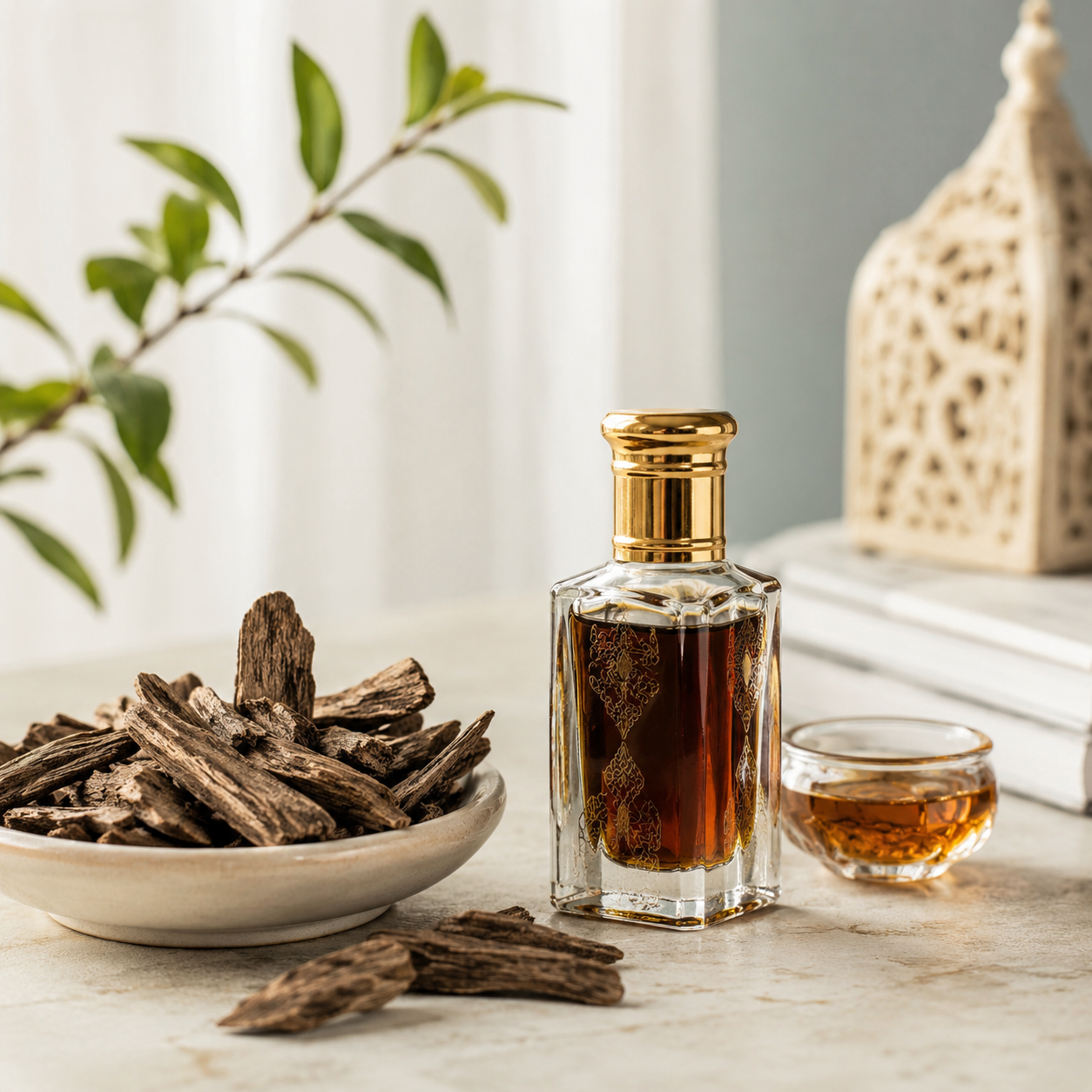
Understanding the Differences Between Wild and Cultivated Agarwood
Introduction
Oud, also known as agarwood, has been treasured for centuries as one of the world’s most precious natural fragrances.
Every piece of oud carries a unique story — from the tree it comes from, the environment where it grows, to the resin that creates its unforgettable aroma.
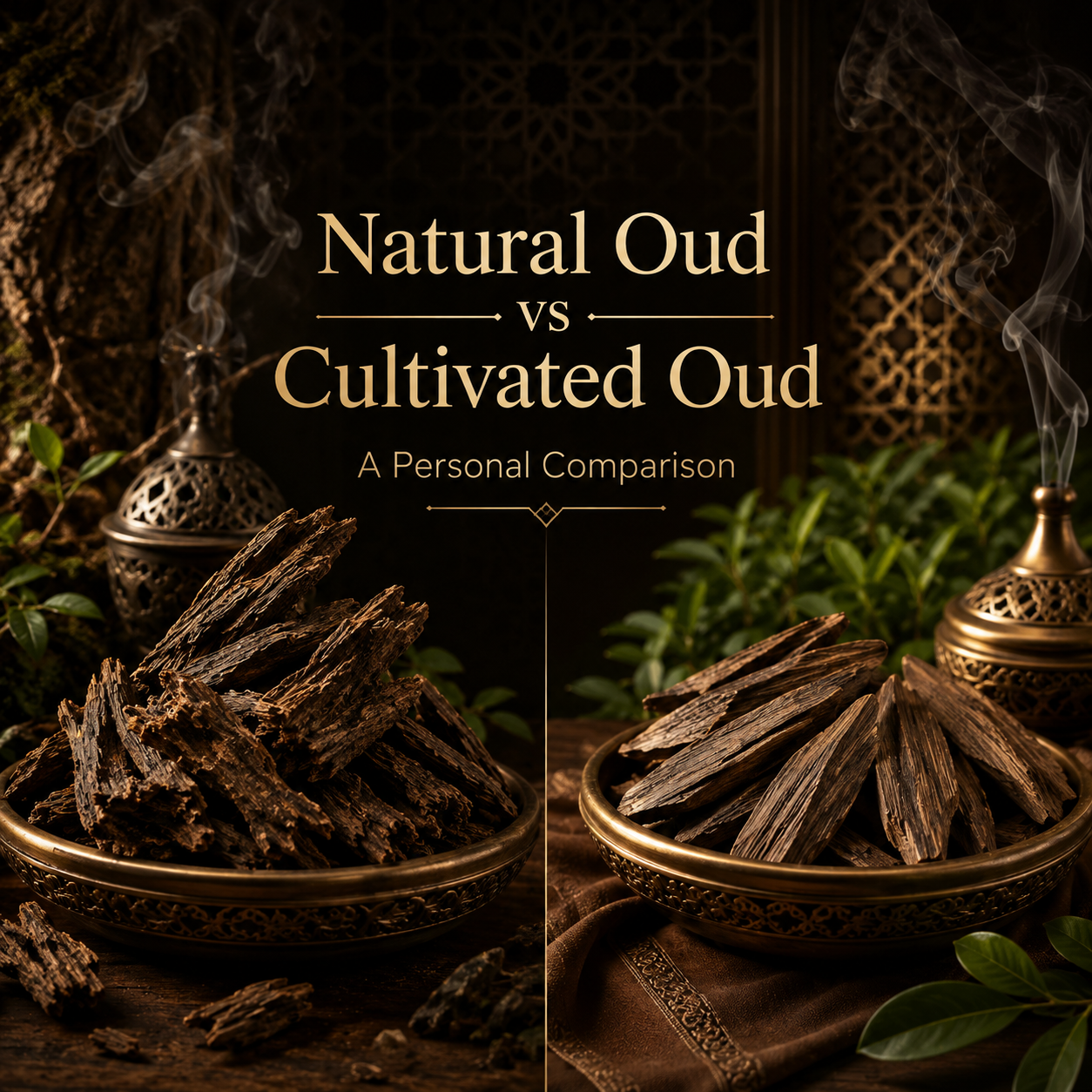
Today, oud is generally found in two main forms:
- Natural Oud (Wild Agarwood)
- Cultivated Oud (Plantation Agarwood)
Both have their own characteristics, values, and unique fragrance experiences.
At OUD SANCTUM, we believe understanding these differences allows oud lovers to better appreciate the beauty, craftsmanship, and tradition behind every piece of agarwood.
1. What Is Natural Oud?
Natural oud, often referred to as wild agarwood, comes from Aquilaria trees that have naturally developed resin over many years.
In nature, resin formation occurs when the tree responds to certain environmental conditions, creating the complex aromatic compounds that make oud so valuable.
Characteristics of Natural Oud:
- Rare and limited availability
- Long natural formation period
- Complex and evolving fragrance
- Highly valued by collectors and oud enthusiasts
Because natural oud develops over decades, each piece is completely unique. Its aroma can reveal multiple layers, including woody, sweet, earthy, smoky, and resinous notes.
Natural oud is often appreciated for its history, rarity, and connection with nature.
2. What Is Cultivated Oud?
Cultivated oud comes from Aquilaria trees grown in managed plantations.
Through careful cultivation and controlled resin induction methods, farmers help trees develop agarwood resin in a more sustainable and consistent way.
Characteristics of Cultivated Oud:
- More stable supply
- Sustainable production approach
- Consistent quality
- Accessible for more customers
Cultivated oud allows more people around the world to experience authentic agarwood while reducing pressure on natural forest resources.
With skilled cultivation and proper processing, cultivated oud can produce beautiful and high-quality fragrances.
3. Personal Fragrance Comparison
The biggest difference between natural and cultivated oud is often found in their fragrance profiles.
Natural Oud
Natural oud often provides:
- Deeper complexity
- Rich historical character
- Unique scent evolution
- Strong connection to nature
The aroma may change gradually, revealing different notes throughout the burning or wearing experience.
Many collectors appreciate natural oud because every piece has its own personality.
Cultivated Oud
Cultivated oud often provides:
- Cleaner fragrance profiles
- More balanced aroma
- Reliable quality
- Easier daily enjoyment
It is an excellent choice for those who are discovering oud or looking for a consistent fragrance experience.
4. Value and Rarity
Natural oud is highly valued because of:
- Its scarcity
- Long formation process
- Unique characteristics
- Historical significance
Some rare natural oud pieces can become valuable collector items.
Cultivated oud, on the other hand, provides a more accessible way to enjoy authentic agarwood while supporting sustainable practices.
The value of oud is not only determined by whether it is wild or cultivated, but also by:
- Resin quality
- Fragrance profile
- Origin
- Processing methods
- Age and craftsmanship
5. Sustainability and the Future of Oud
Protecting agarwood resources is essential for future generations.
Responsible cultivation plays an important role in:
- Supporting local communities
- Protecting natural forests
- Creating sustainable oud supply chains
At OUD SANCTUM, we believe the future of oud should respect both tradition and sustainability.
Natural oud represents the heritage of the past, while cultivated oud helps protect the future of this precious resource.
6. Which Oud Should You Choose?
The answer depends on your personal preference.
Choose Natural Oud if you appreciate:
✔ Rare and collectible materials
✔ Traditional oud heritage
✔ Complex and evolving aromas
✔ Unique natural character
Choose Cultivated Oud if you prefer:
✔ Sustainable sourcing
✔ Consistent fragrance quality
✔ Everyday oud experiences
✔ Accessible luxury
There is no single definition of the “best” oud. The perfect oud is the one that matches your personal taste and appreciation.
Our Perspective at OUD SANCTUM
For us, oud is more than a fragrance material.
It represents:
- The wisdom of nature
- The dedication of craftsmen
- The beauty of traditional fragrance culture
Whether natural or cultivated, every piece of oud has its own story.
Our mission is to share authentic oud experiences with the world while respecting quality, sustainability, and heritage.
Discover the Timeless World of Oud
From ancient forests to modern sustainable plantations, oud continues to connect people with nature, culture, and emotion.
Explore authentic agarwood products with:
OUD SANCTUM
Sacred Oud Source
Pure. Sacred. Timeless.
 038 月
038 月